wellness
Fresno Shift Workers Use Light and Meals to Fix Sleep
Fresno employees juggling overnight hospital shifts and warehouse runs along Highway 99 are adopting fixed light cues and timed meals to steady their rest cycles.
How we reported this
Local health clinics logged a 22 percent rise in sleep complaints from Fresno shift workers between January and June 2026, driven by expanded overnight operations at distribution hubs near the airport.
The increase tracks the growth of 24-hour logistics jobs in the Central Valley, where workers rotate between day and night duties without consistent dark periods for recovery. Many log 10-hour stretches at facilities that never close, leaving little margin for the body to reset its internal clock before the next shift begins.
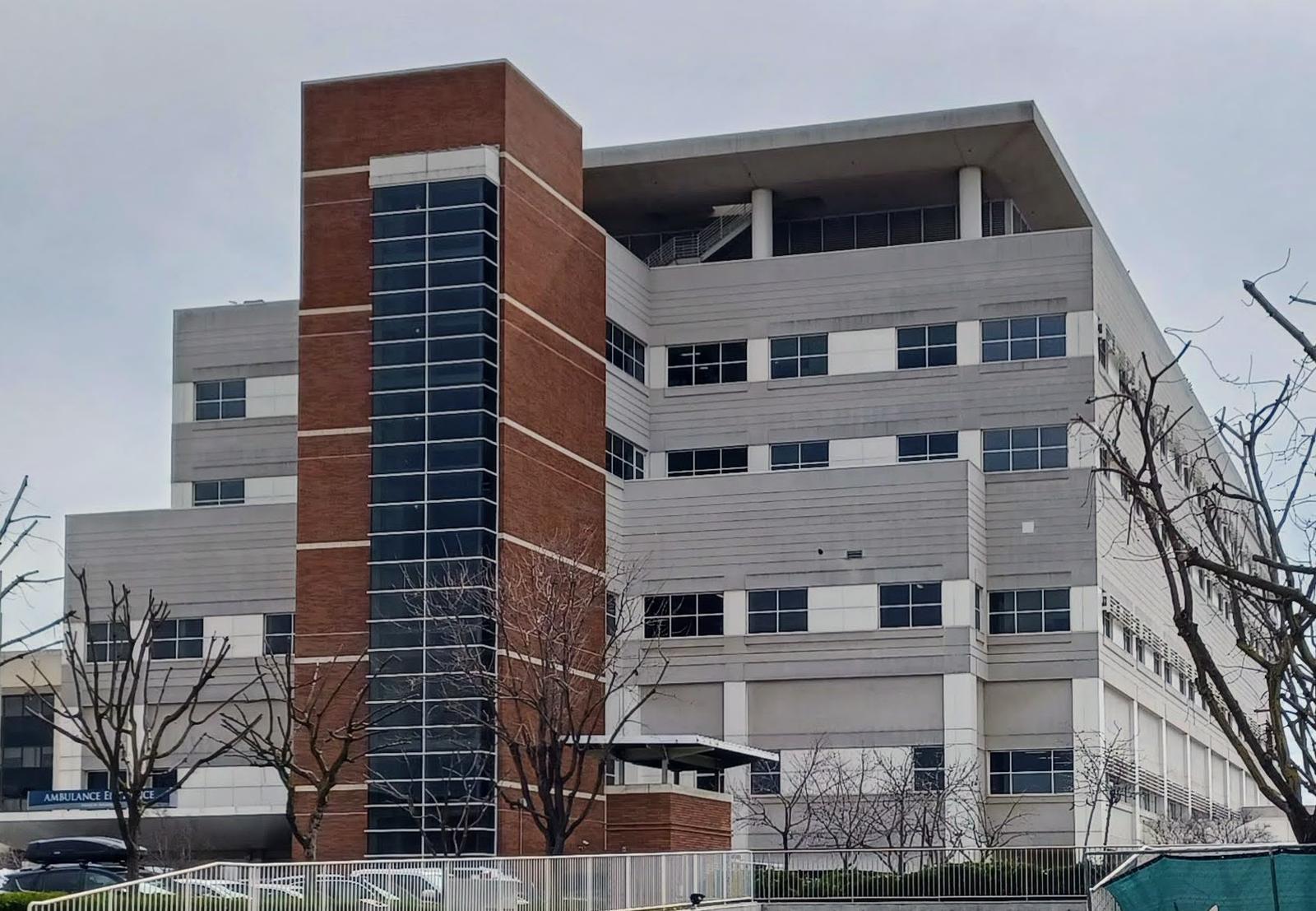
Community Regional Medical Center on Fresno Street launched a pilot sleep workshop series in March 2026 aimed at nurses and support staff on rotating rosters. Participants track their exposure to bright light during commutes down Blackstone Avenue and practice short, timed walks before bed in the Tower District. The program pairs with the Fresno County Public Health Department’s wellness initiative at the Fig Garden Library branch, where staff distribute free sleep logs and recommend blackout curtains priced at $18 from nearby hardware stores on Shaw Avenue.
A 2025 Centers for Disease Control analysis found shift workers average 1.4 fewer hours of sleep per night than day workers, raising risks for elevated blood pressure and reduced alertness on the job. Fresno’s own employee health reports from Kaiser Permanente’s local clinics mirror that gap, showing higher rates of fatigue-related visits among night staff at the hospital’s emergency department.
Light and meal timing anchors
Workers report success by anchoring their day around fixed light exposure rather than clock time. One common approach is wearing blue-light blocking glasses during the morning drive home after an overnight shift, then keeping the bedroom completely dark with heavy shades. Evening meals are shifted earlier, often before 6 p.m., to avoid digestion interfering with the wind-down window. Several employees at the airport cargo facilities now use inexpensive $25 dawn-simulator alarms that gradually brighten 30 minutes before their alarm sounds, easing the transition to wakefulness regardless of the actual hour.
Next steps for local workers
Residents can join the next free sleep-log workshop at the Fig Garden Library on July 22 or request a referral through Community Regional Medical Center’s occupational health office. Those with persistent issues are directed to consult a physician at a neighborhood clinic before trying supplements or new devices. Small, repeated adjustments to light and meal patterns remain the most cited starting point for stabilizing sleep on irregular schedules.