policy
Fresno Property Tax Assessments Face Major Changes This Year
Local officials and tax advocates are weighing changes to how Fresno County assesses residential and commercial property values, with implications for homeowners and small business owners across the region.
How we reported this
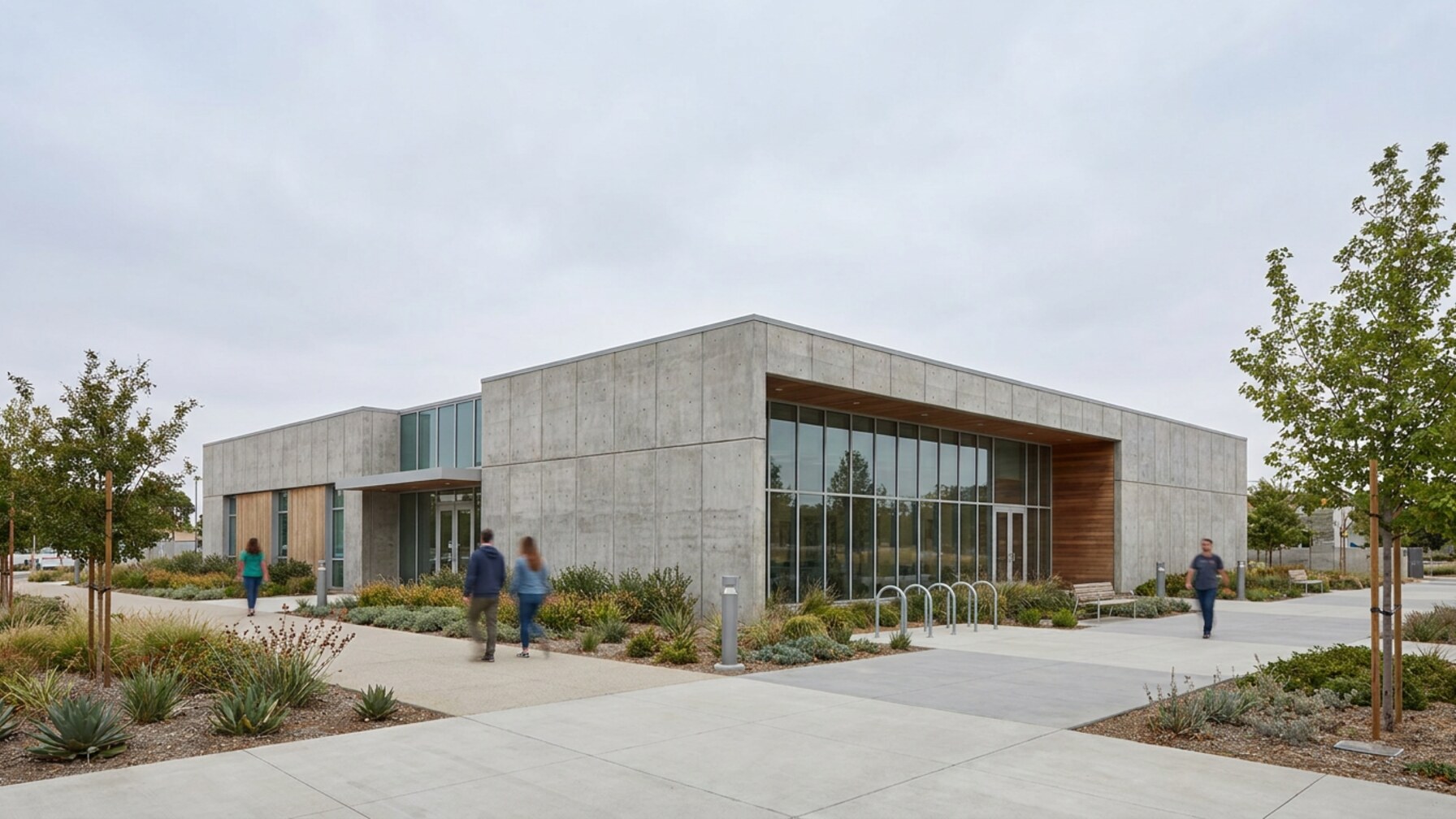
The Fresno County Assessor's office is reviewing how it calculates property tax assessments following pressure from community groups and city officials to examine whether current practices reflect actual market conditions. The review, announced in late June, signals a potential shift in methodology that could affect tax bills for an estimated 287,000 parcels countywide, though county leadership has not yet proposed formal changes to the assessment system.
Property tax assessment has become a live issue in Fresno as local jurisdictions grapple with stagnant revenue growth. The county's general fund grew just 1.2 percent year-over-year in the 2025-26 fiscal year, according to county budget documents, while service demands continue to climb. Schools, road maintenance, and public safety agencies all rely heavily on property tax revenue distributed through Fresno County's tax allocation system. When assessments lag behind actual market conditions, revenue for all these services lags as well.
For Fresno residents, the practical stakes are straightforward. A homeowner who purchased a house in northwest Fresno for $320,000 in 2022 may have seen their assessed value remain essentially flat if the assessor's office did not fully capture recent neighborhood appreciation. That undervaluation ripples outward: the school district serving that homeowner collects less per capita, the city's general fund receives less for pothole repair and fire services, and the county pays more for services from its own reserves. Conversely, if assessment practices shift to capture more current market data, tax bills for some property owners could rise, though increases are typically phased in over time under California law.
Current System and the Questions It Raises
California's Proposition 13, enacted in 1978, caps property tax rates at 1 percent of assessed value and limits annual assessment increases to 2 percent unless the property changes ownership. Fresno County Assessor Mike Prado's office must value property using standard appraisal practices, yet has discretion in how comprehensively it tracks sales data and neighborhood trends. Policy analysts and housing advocates note that assessment lags-where assessed values fall below actual market values-reduce school funding and municipal services without changing the statutory tax rate itself.
The Fresno County Office of Education and the city of Fresno's budget office both cited assessment accuracy as a factor in their 2026-27 budget deliberations. The county's five-year financial forecast, filed in May, projected that revenue would grow slower than inflation through 2030 unless assessment practices improved or additional local revenue measures passed. Fresno Unified School District's superintendent told the board in June that property tax revenue uncertainty made multi-year planning difficult.
No formal proposal has reached the Board of Supervisors or the Assessor's office as of July 10. County leadership says it is consulting with the State Board of Equalization and reviewing benchmark data from other California counties to understand best practices in assessment frequency and methodology. Local advocates-including representatives from the Fresno Metro Chamber of Commerce and several neighborhood associations-have requested that any changes be transparent and phased in gradually to avoid sudden tax bill spikes.
What Comes Next
The Assessor's office is expected to present preliminary findings to county supervisors by September. If changes are recommended, they would likely take effect in the 2027-28 fiscal year at the earliest, allowing time for public notice and adjustment. Fresno residents should expect the county to hold public hearings before any methodology shift becomes final.